


NarlikarFoundation
1.5kN
- Burn time
- 6 s
- Role
- Foundational engine


To design and launch in-house built rockets targeting actual space missions that showcase Indian innovation and engineering brilliance.
To give students hands-on experience, encouraging teamwork and technical excellence.
To become a student-led team known for engineering excellence on a global stage.
To inspire young minds across India, proving that with hard work and determination anything is possible.
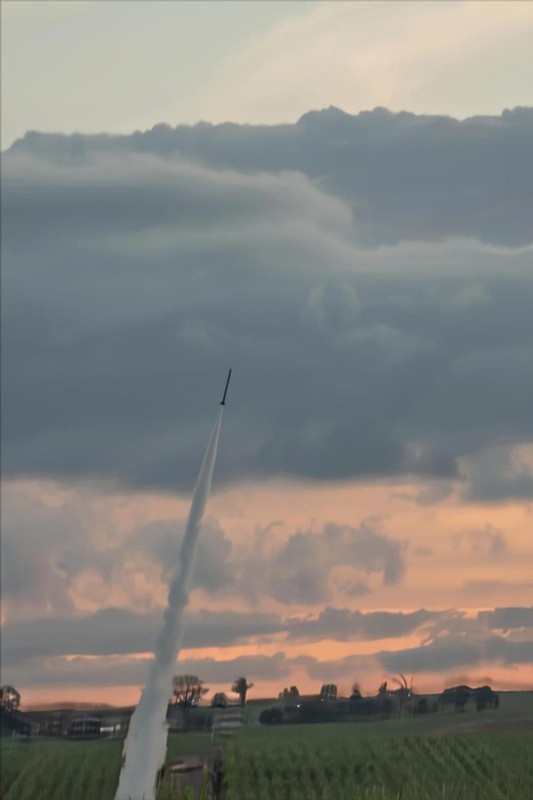
The first Indian rocketry team to put a 1 km AGL SRAD rocket into Indian skies.
Read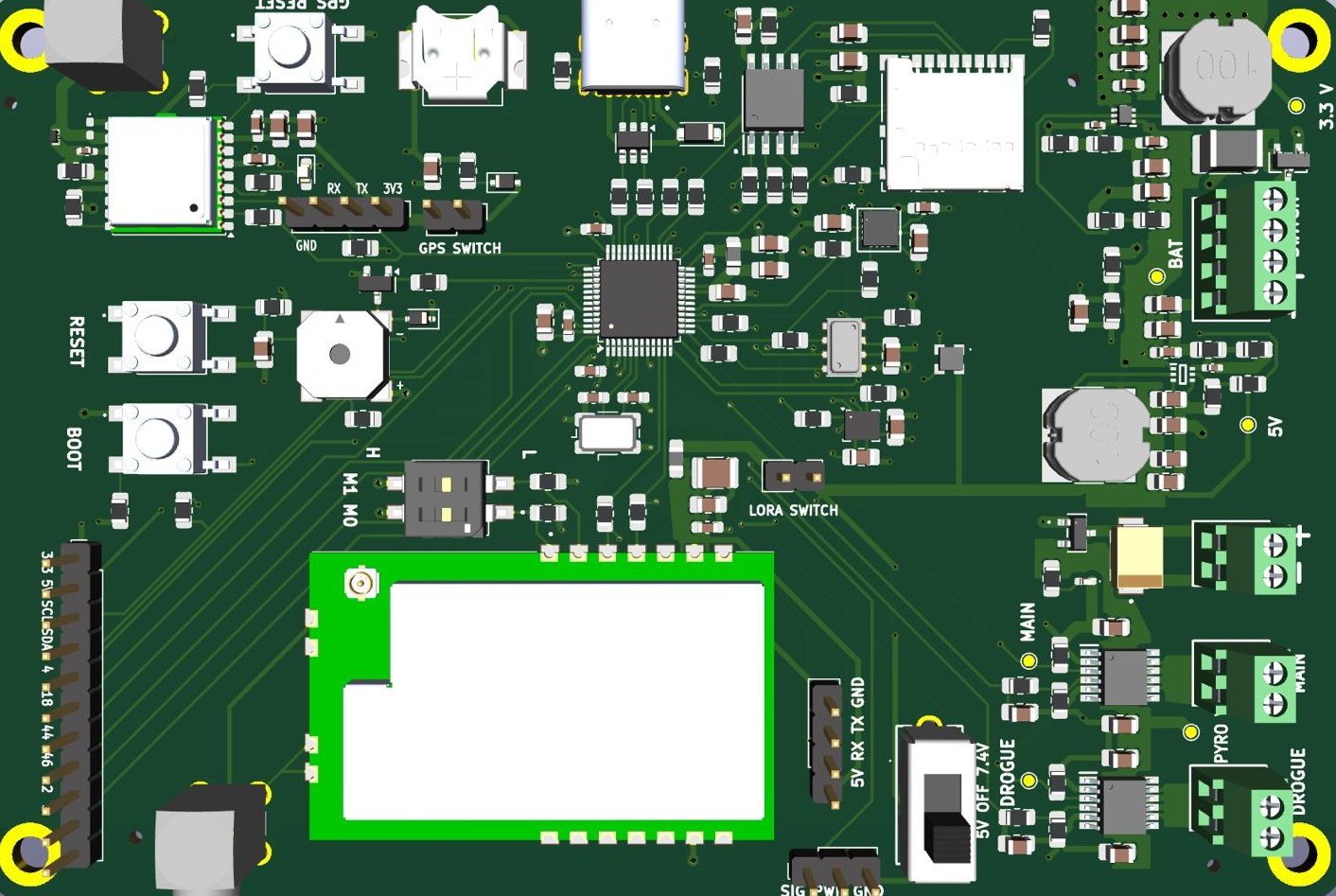
An in-house SMD board on an STM32, with a four-layer PCB made for high-altitude flights.
Read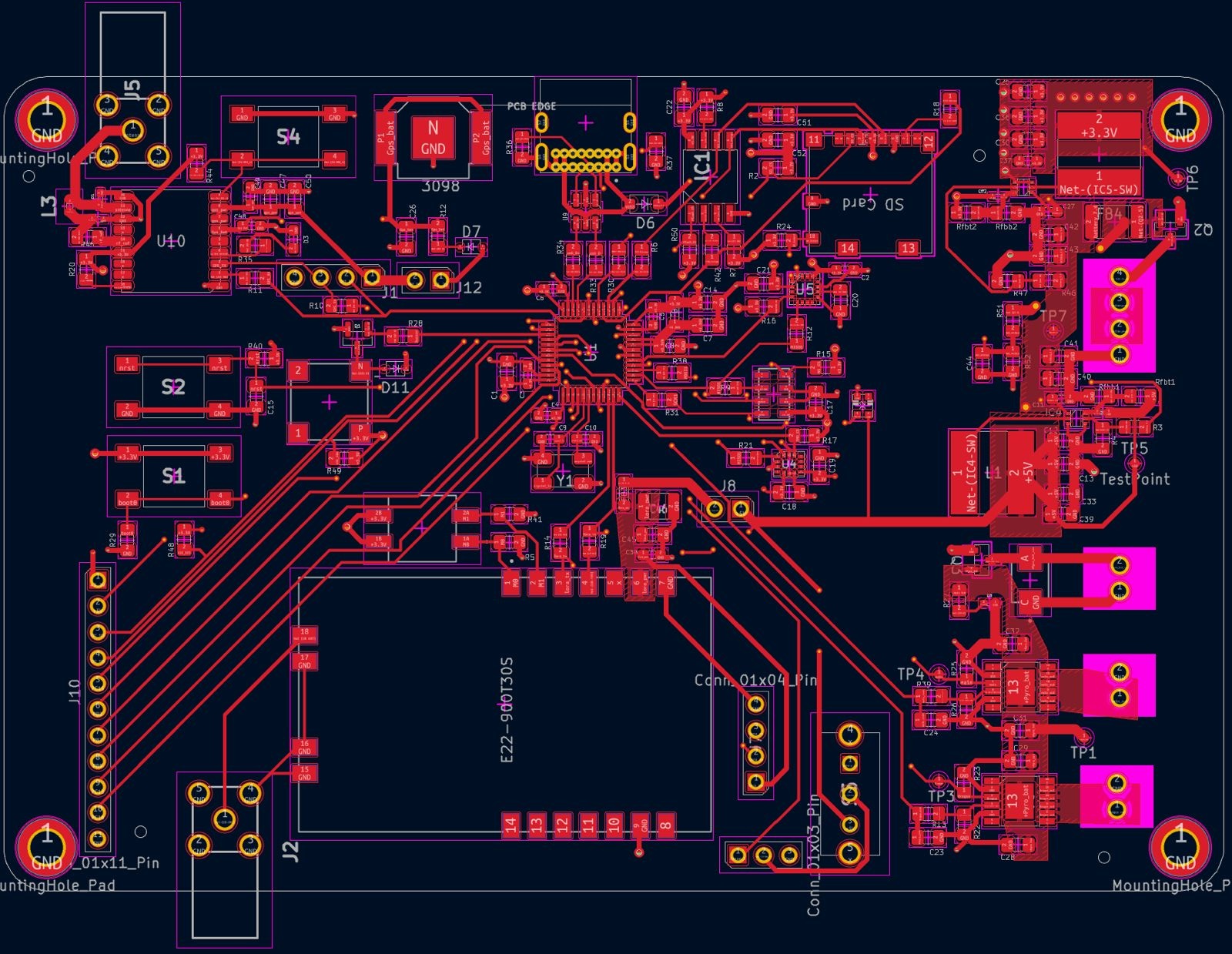
Ignition, valves and telemetry over a LoRa link tested beyond 6 km.
Read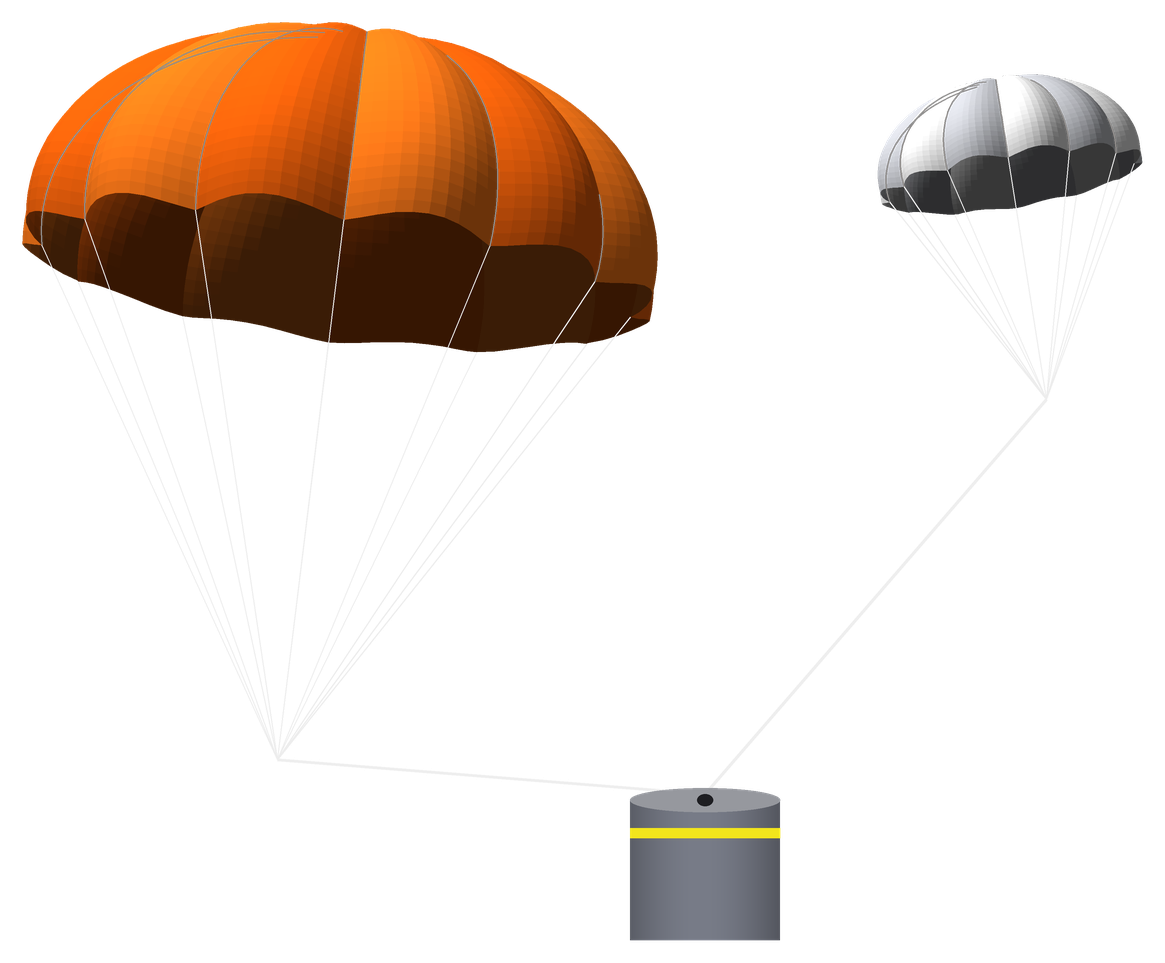
A 235 cm main and a 76 cm drogue, released in sequence.
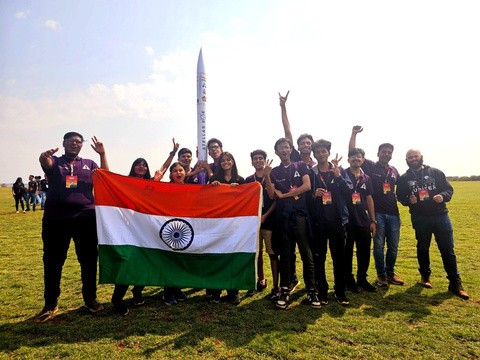
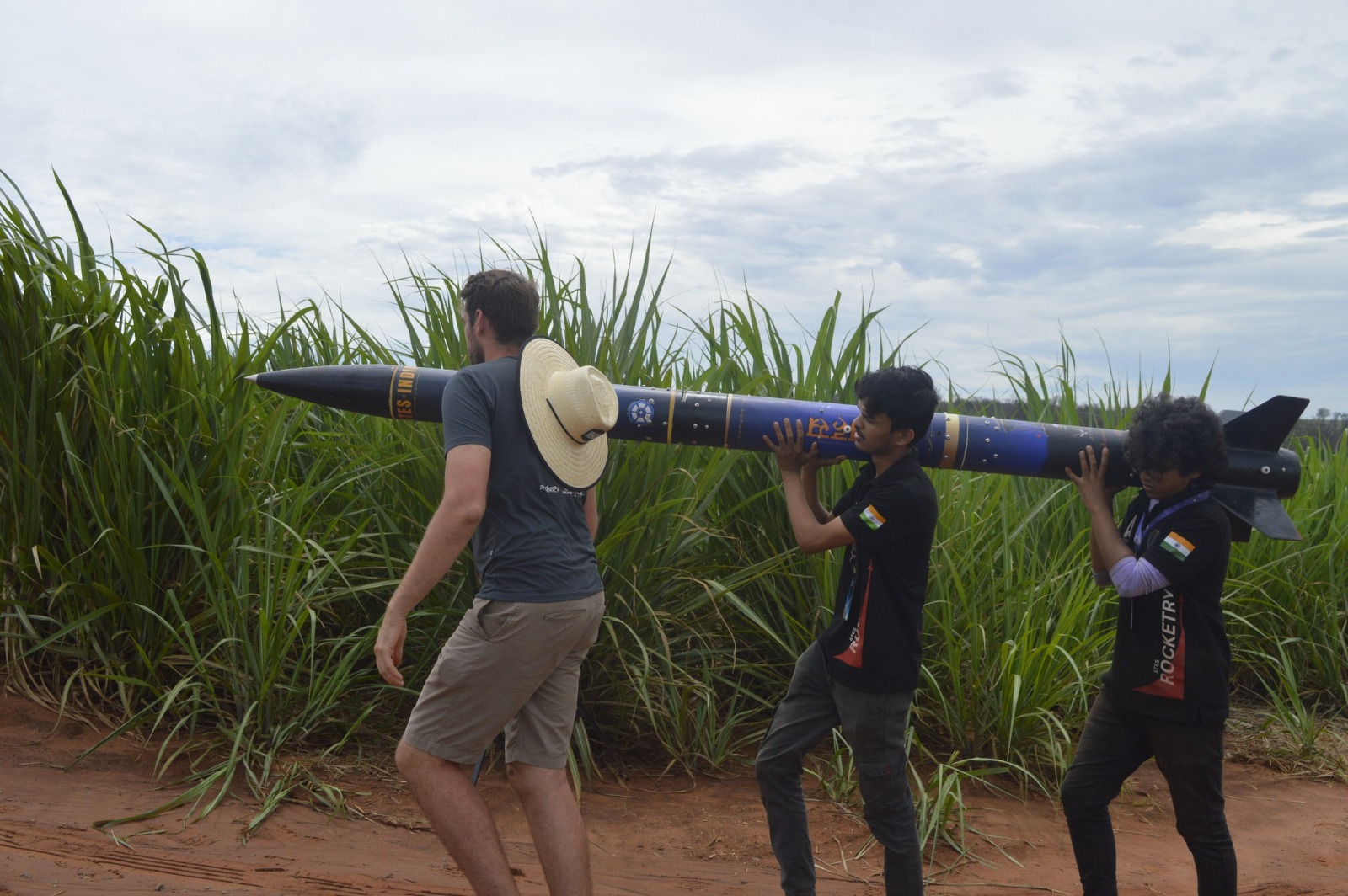
Every vehicle we have taken to a competition, and where it finished.
The world's largest intercollegiate rocket engineering competition: over 1,700 students from more than 150 institutions around the world.
Held since 2019 to promote problem-based learning through projects with a space theme.
 2019APJ-IISpaceport America Cup · 150+ teams29thWorld
 2021The Perfect GameLatin American Space Challenge6thWorld · 2nd target category
 2022Midnight SunLatin American Space Challenge8thWorld · 3rd target category
 2023Stellar EyeLatin American Space Challenge4thWorld · 1st in Asia
 2024DemogorgonThe Great Indian Launch1 kmFirst Indian SRAD launch to 1 km AGL
 2025SahasraLatin American Space Challenge · 160+ teams3rdWorld
 2025VikrantLatin American Space Challenge · 150+ teams2ndWorld
Three generations of student-built engines, all burning ethanol with nitrous oxide.
Never done by a student team in India
Designed and built in-house, from the airframe to the avionics.
The spine of flight.
Ignition & thrust.
The nervous system.
The eye of the storm.
Safe returns.
Mission objective.
Don't just watch history being created. Become a part of it.
Showcase your brand to a wide audience across competitions and events.
Support innovation and STEM education initiatives.
Connect with skilled, motivated future engineers.
Gain acknowledgment in events, media and team activities internationally.
Hands-on STEM workshops, interactive sessions and model rocket demonstrations.
Sharing innovations and showcasing projects at science fairs and expos.
Showcasing our journey, achievements and skill-building opportunities to bring new students in.
STES Rocketry is a student rocketry team from Pune, India, active since 2017. Students design, build and launch their own rockets, liquid engines, solid motors, flight computers and ground-control software, and compete at international rocketry competitions.
STES Rocketry presents itself as India's top student rocketry team. At the Latin American Space Challenge 2025 the team placed second in the world with Vikrant, India's first student-built liquid engine rocket, and third in the world with Sahasra, which flew a self-developed solid motor. In 2024 it made the first Indian 1 km AGL SRAD launch.
Vikrant (2025, 2nd worldwide at LASC 2025), Sahasra (2025, 3rd worldwide), Demogorgon (2024, 1 km AGL), Stellar Eye (2023, 4th worldwide and 1st in Asia), Midnight Sun (2022, 8th worldwide), The Perfect Game (2021, 6th worldwide), APJ II (2019, 29th worldwide at the Spaceport America Cup) and APJ (2018, 33rd worldwide and first among Asian teams).
Liquid engines burning ethanol with nitrous oxide: Narlikar (1.5 kN peak thrust, 6 s burn), Patankar (flown on Vikrant, L-class, 4,500 Ns total impulse) and a 3 kN engine in development for Project Dhawan, metal 3D printed in AlSi10Mg. Solid motors built in-house: VAJRA (M-class, flew on Sahasra), Lakshya (flew on Stellar Eye) and the Midnight Sun motor.
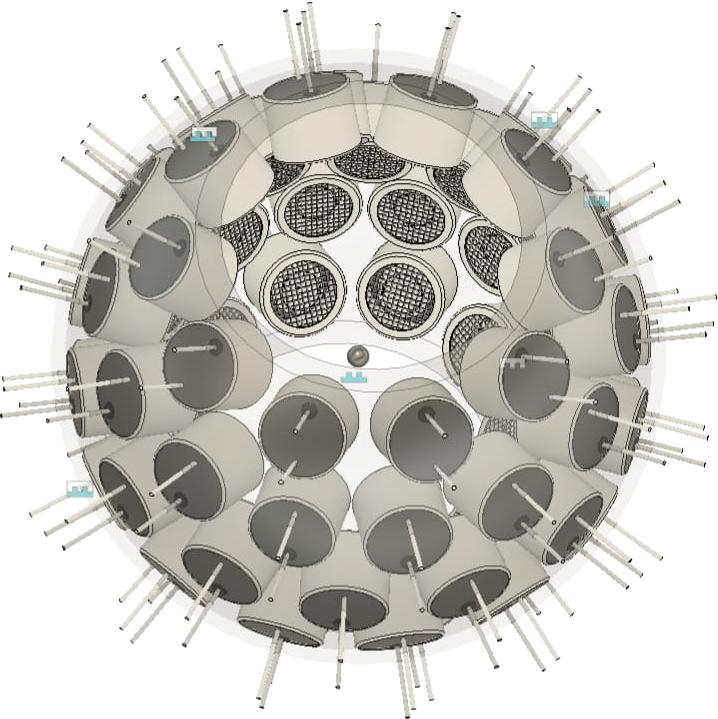
PRATAP, an in-house STM32 flight computer with a four-layer PCB; BOSE, a ground-control system for ignition, valves and telemetry over a LoRa link tested beyond 6 km; Endeavour, the flight computer used on Stellar Eye; LEVI, an acoustic levitator payload; Raman, a quantum channel stress analyzer for a CubeSat; and a rocket dashboard that streams live telemetry at 10 Hz.
The Spaceport America Cup in New Mexico, USA (2018 and 2019) and the Latin American Space Challenge in Brazil (2021 to 2025), plus The Great Indian Launch in 2024.
No. STES Rocketry is a student-led team, similar to the university rocketry teams that compete at the Spaceport America Cup, not a commercial launch company such as SpaceX.
Use the contact page or email stesrocketryteam@gmail.com. Sponsors are listed on the sponsors page, and the team runs recruitment drives, school workshops and STEM outreach.